|
EK-3C

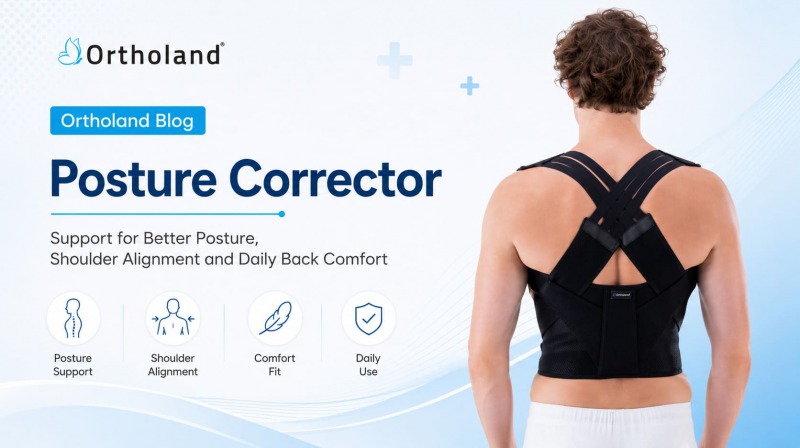
Good posture plays an important role in spinal health, daily comfort, body balance and overall movement quality. Long hours of desk work, increased phone and computer use, sedentary lifestyles, weak back and shoulder muscles, poor sitting habits and intense work routines may gradually lead to posture problems. For this reason, search terms such as what is a posture corrector, posture exercises, do posture braces work, best posture corrector and back posture support are becoming increasingly popular.
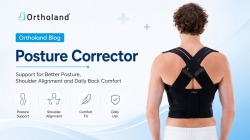
A posture corrector, also known as a posture support brace, posture brace, back posture corrector or orthopedic posture support, is designed to support the upper back and shoulder area. These products may help improve posture awareness, support shoulder alignment and provide a more controlled posture feeling during daily activities.
However, posture correctors should not be considered a permanent solution on their own. For better results, the right product selection should be combined with regular posture exercises, back muscle strengthening, ergonomic improvements and professional advice when needed.
Good posture means that the head, neck, shoulders, back, lower back and pelvis are aligned in a balanced position. In a healthy posture, the head does not lean too far forward, the shoulders do not excessively round forward, the upper back does not collapse and the lower back maintains its natural curve.
Good posture is not only about appearance. It may also help muscles work more efficiently, reduce unnecessary strain on the spine and improve comfort during daily movement.
Poor posture habits may lead to:
For this reason, supporting posture habits is important for both adults and younger users.
A posture corrector is an orthopedic support product designed to support the shoulders and upper back area. It may also be called a posture brace, posture support, back posture corrector, upright posture brace or posture support belt.
Posture correctors may help users position their shoulders in a more controlled way and increase awareness of body alignment during daily activities. This can help the user remember to sit or stand more upright.
Posture correctors are commonly preferred for:
A posture corrector does not replace medical treatment. Users with severe posture problems, scoliosis, kyphosis, persistent pain or spinal disorders should consult a doctor or physiotherapist before using any orthopedic support product.
The answer to “do posture correctors work?” depends on the purpose of use and user expectations. When selected correctly and used properly, posture correctors may help increase posture awareness, support the shoulder-back line and encourage users to maintain a more upright position during daily activities.
However, a posture corrector alone is not a permanent fix. Many posture problems are related to weak muscles, poor sitting habits, long periods of inactivity and unsuitable work ergonomics.
A posture corrector should be understood as:
The most effective approach is to combine a posture corrector with posture exercises, ergonomic workplace adjustments and regular movement habits.
Posture correctors may be preferred by different user groups. However, the same model may not be suitable for everyone. Product selection should be based on the user’s body type, support need and purpose of use.
Posture support braces may be considered for:
If there is pain, numbness, weakness, severe hunchback posture, scoliosis or spinal deformity, professional evaluation is recommended before using a posture brace.
Using a posture corrector may provide support, but long-term posture improvement requires strengthening the back, shoulder, neck and core muscles. This is why posture exercises are one of the most important complements to posture support products.
Posture exercises may help:
When performed regularly, posture exercises help users rely more on their own muscle system rather than depending only on an external brace.
The following exercises are for general informational purposes. Users with pain, spinal conditions, previous surgery or physical limitations should consult a healthcare professional before exercising.
Sit or stand upright. Slowly pull your shoulders back and try to bring your shoulder blades closer together. Hold for 5 seconds and relax.
This exercise may help activate upper back muscles and reduce rounded shoulder posture.
Stand with your back against a wall. Try to keep your head, shoulders, upper back and hips in contact with the wall. Hold this position for 30–60 seconds.
This exercise helps users feel a more neutral posture position.
Stand in a doorway. Place your arms on both sides of the door frame and gently move your chest forward. Hold for 20–30 seconds.
Tight chest muscles may contribute to rounded shoulders, so chest stretching is important for posture improvement.
Sit upright on a chair. Keep your arms relaxed by your sides. Squeeze your shoulder blades gently backward and downward. Hold for 5 seconds, then release.
This exercise may help support the postural muscles of the upper back.
Without tilting your head down, gently pull your chin backward. You should feel a lengthening sensation at the back of your neck. Hold for 5 seconds and relax.
This movement may help improve neck position awareness, especially for people who use computers and phones for long hours.
Exercises such as plank, bridge and controlled abdominal activation may help strengthen the core area. Strong core muscles support better balance between the lower back and upper body posture.
The duration of posture corrector use may vary depending on the user. Wearing a posture brace continuously throughout the day is generally not recommended because the muscles should remain active and not become dependent on external support.
A practical approach may include:
A posture corrector should be considered as a reminder tool that supports posture awareness during the day.
The best posture corrector is not the same product for everyone. The best option is the one that fits the user’s body, support need, comfort expectations and daily use purpose.
When choosing a posture corrector, important criteria include:
A posture brace that is too rigid, too tight or unsuitable for the user’s body may cause discomfort. Therefore, product selection should be made carefully.
The terms posture corrector and posture support are often used with similar meanings. However, some products mainly aim to pull the shoulders back, while others provide broader support for the back and lower back area.
In general:
Depending on the user’s needs, light posture supports, stronger posture braces or dorsolumbar support products may be preferred.
Ortholand offers different product options for posture support, upright posture, back support and daily comfort. These products may help users feel more supported around the back and shoulder area.
| User Need | Product Group | Ortholand Product Code | Product Name |
|---|---|---|---|
| Daily posture support | Posture support | ML-0207 | Posture Support |
| Adjustable posture support | Posture support | ML-0207-020 | Posture Support Unisize |
| Back and shoulder support | Posture brace | ML-0233 | Posture Support Dark Grey Colour |
| Adjustable dark grey posture support | Posture brace | ML-0233-0 | Posture Support Unisize Dark Grey Colour |
| Stronger back support | Posture support | ML-1002 | Posture Heavy Support |
| Daily upright posture support | Posture brace | ML-1003 | Posture Corset Unisize |
| Supported posture brace | Posture brace | ML-1202-020 | Posturmax Supported Corset |
| Posture awareness support | Posture brace | ML-1588 | Posture Stop Corset |
| Upright posture support | Posture brace | ML-1591 | Posture Stop Corset |
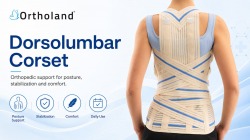
| Back and lower back support | Dorsolumbar corset | ML-0205 | Dorsolumbar Corset |
| Adjustable back-lower back support | Dorsolumbar corset | ML-0205-020 | Dorsolumbar Corset Unisize |
| Back-lower back line support | Dorsolumbar corset | ML-0232 | Dorsolumbar Corset Dark Grey Colour |
| Adjustable back-lower back support | Dorsolumbar corset | ML-0232-0 | Dorsolumbar Corset Unisize Dark Grey Colour |
These products can be evaluated according to the user’s posture support need, required support level and daily use expectations. Light posture supports may be preferred for daily posture awareness, while dorsolumbar corsets may be considered for broader back and lower back support.
Posture correctors appeal to a wide user group today. Desk workers, students, computer and phone users, people looking for shoulder-back support and users who want to improve posture awareness may all be interested in this product category.
These products can be positioned in:
When offered together with lumbar corsets, cervical collars, orthopedic pillows, Thermojel hot-cold compress products and physiotherapy items, posture supports can become a strong complementary sales category.
Posture support products can be sold alone or combined with other orthopedic support products.
Complementary product groups include:
This cross-selling structure can help medical stores and distributors build stronger product baskets.
As a Türkiye-based manufacturer of orthopedic and medical support products, Ortholand offers posture correctors, posture supports, dorsolumbar corsets and back-lower back support products within a wide product portfolio.
Ortholand’s product approach is based on user comfort, functional design, quality materials, competitive pricing and supply solutions suitable for international markets. Thanks to its wide product variety, medical distributors can source posture support products together with other orthopedic solutions from a single reliable manufacturer.
A posture corrector is a supportive orthopedic product designed to support the upper back and shoulder area, improve posture awareness and provide a more controlled posture feeling in daily life. The answer to “do posture correctors work?” depends on correct product selection, proper use and combining the product with posture exercises.
Posture braces are not permanent solutions on their own. Regular posture exercises, ergonomic work habits, strengthening the back and core muscles, correct product selection and professional advice when needed can create a more effective approach.
Ortholand offers posture correctors and posture support products as a strong category for medical stores, pharmacies, distributors and export customers.
For more information about Ortholand posture correctors, posture supports and back-lower back support products, you can review our product catalog or contact our export team.