|
EK-3C

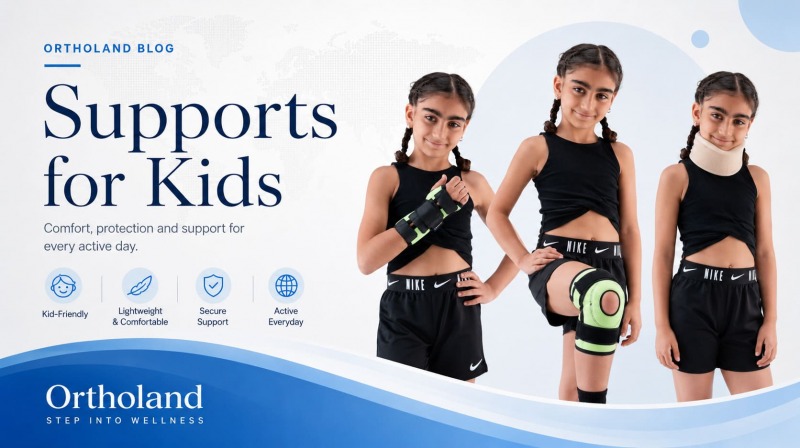
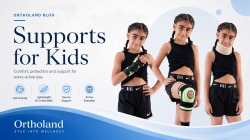
Supports for kids are one of the important product categories in the medical products market that require special attention. Pediatric arm slings, knee supports, ankle supports, cervical collars, posture supports, orthoses and special medical support products should be evaluated according to children’s anatomy, comfort and safety needs.
For medical stores, pharmacies, orthopedic clinics, pediatric healthcare centers, rehabilitation centers, physiotherapy clinics, hospitals and medical distributors, supports for kids represent a valuable product group. Unlike standard products, this category responds to more sensitive user needs and helps distributors strengthen their professional product portfolio.
Children are in a period of growth and development, so orthopedic support products used for them should have the right size, suitable materials and proper comfort features. Pediatric support products should not simply be considered smaller versions of adult products. Children’s body structure, movement habits, skin sensitivity and usage tolerance are different.
Supports for kids may be preferred for post-trauma support, daily support needs, rehabilitation processes, posture support, sports injuries or supportive use recommended by healthcare professionals.
From the perspective of medical distributors, this product group is important for building a reliable product portfolio in both professional healthcare channels and medical store or pharmacy channels.
Although supports for kids appeal to a more specific user group, they create a strategic category for medical distributors. In pediatric products, families, healthcare professionals and sales channels pay closer attention to product quality, reliability and comfort.
This category can be positioned in the following sales channels:
Pediatric products can help distributors build trust in their product portfolio and differentiate themselves in professional markets.
Supports for kids can be divided into different groups according to usage area, support level and target needs. Including products for different body areas helps distributors respond better to market needs.
Pediatric arm slings are among the basic products frequently preferred for post-trauma support and recovery processes. They offer practical use for children who need support in the arm, elbow or shoulder area.
In these products, a lightweight structure, soft fabric, easily adjustable strap system and a design that does not unnecessarily restrict the child’s movement are important.
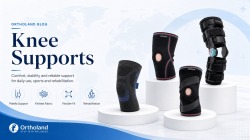
Pediatric knee supports may be preferred for children who need support during sports activities, daily movements or rehabilitation processes. Elastic and soft models may be more suitable for children’s daily use.
For medical distributors, pediatric knee supports are a complementary product group in sports health and medical support categories.
Pediatric ankle supports can be used in cases such as sprains, strains, sports injuries or support needs. For child users, the product should be lightweight, comfortable, easy to wear and remove, and compatible with ankle movement.
These products may generate demand in medical stores, pharmacies, sports health channels and rehabilitation centers.
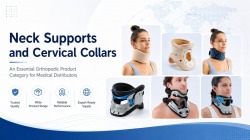
Pediatric cervical collars may be preferred with the guidance of healthcare professionals in cases where neck support is needed. Softness, skin-friendly material, correct height and child comfort are critical in these products.
For distributors, pediatric cervical collars are an important category that complements a professional medical product portfolio.
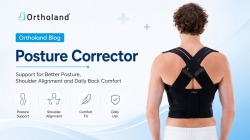
Pediatric posture supports may be considered for children who need postural support. Among school-age children, long hours of sitting at a desk, carrying school bags and poor posture habits may increase interest in posture support products.
In these products, comfortable use, adjustable structure and a design that does not unnecessarily restrict the child’s mobility are important.
Pediatric orthoses and special support products respond to more technical and professional needs. These products are generally preferred with the guidance of orthopedic specialists, physiotherapists or healthcare professionals.
For medical distributors, pediatric orthoses are a valuable category for building a reliable product portfolio in professional healthcare channels.
Choosing the right products in pediatric orthopedic supports is a more sensitive process compared to adult products. Comfort, safety, size compatibility and material quality become more critical for child users.
The main criteria medical distributors should consider when choosing products include:
These criteria help distributors build a more reliable and sustainable portfolio in the pediatric product category.
Pediatric orthopedic support products directly address a sensitive user group. Therefore, the product should not only provide support, but also be comfortable for the child to use, skin-friendly and compatible with daily movements.
Poor-quality materials, hard edges, weak stitching, uncomfortable closure systems, size incompatibility or heavy design may make it difficult for children to use the product. This can negatively affect family satisfaction, the trust of healthcare professionals and the distributor’s brand perception.
For this reason, medical distributors should work with reliable manufacturers in pediatric orthopedic support products and carefully evaluate product quality, production standards and conformity documents.
Working with the right manufacturer in the supports for kids category provides an important advantage for distributors. A reliable manufacturer is not only a product supplier, but also a strategic business partner that offers product quality, technical information, model variety and long-term cooperation.
The advantages of working with the right manufacturer include:
These advantages help distributors present pediatric products to the market with more confidence and achieve sustainable sales success.
Supports for kids can be positioned together with complementary products in a distributor’s portfolio. This approach helps offer more comprehensive product solutions to medical stores and healthcare channels.
Complementary product groups that can be offered together with pediatric support products include:
This complementary structure can help distributors create stronger product packages both in medical stores and professional healthcare channels.
As a Türkiye-based manufacturer of orthopedic support products, Ortholand offers a wide portfolio of medical support products, including supports for kids.
Ortholand’s product approach is based on quality, user comfort, functional design, competitive pricing and a supply perspective suitable for international markets. Thanks to its wide product range, distributors can source pediatric orthopedic support products suitable for different market needs from a single manufacturer.
With its export experience, product variety and B2B cooperation approach, Ortholand aims to be a reliable solution partner for medical distributors, importers, wholesalers and professional medical product suppliers.
Supports for kids are a sensitive, trust-focused and strategic product category for medical distributors. Their ability to respond to the specific needs of child users, generate demand in healthcare professional-guided use cases and professionalize the medical product portfolio makes this category commercially valuable.
Distributors who want to build a successful product portfolio should consider criteria such as product quality, design suitable for children’s anatomy, comfort, size variety, certification, supply continuity and manufacturer reliability in the pediatric orthopedic support category.
With its wide product portfolio, production experience, quality-oriented approach and export expertise, Ortholand offers sustainable cooperation opportunities for medical distributors in the supports for kids category.
For more information about pediatric arm slings, pediatric knee supports, pediatric cervical collars, pediatric ankle supports and other orthopedic support products, you can review our product catalog or contact our export team.